Honduras

Honduras
Mostrando entradas con la etiqueta Nicaragua. Mostrar todas las entradas

jueves, 18 de agosto de 2016

See what your life could look like in San Juan del Sur, Nicaragua

Picture this: you wake up in the morning and walk out to your balcony to feel the gentle breeze from Lake Nicaragua and listen to the tropical birds. The sun is shining, so you put on your swimsuit, grab your surfboard and head to the nearby beach.

You follow it up with a dip in the pool and order a fruity cocktail with a plate of plantains and fried cheese (tostones con queso) plus a side of fresh salsa. After soaking up the sun by the pool, you return to your villa to read a magazine in the rocking chair on your private porch overlooking the bay. Your friends pop round in time to watch the sun slowly dip into the ocean.
It doesn’t have to be a dream. Take a peak at what your life could look like:


Right now, 2 bedroom ocean view villas are available at Villas de Palermo starting at $110,000. That’s a lot of house for your money. Take a look.

In a recent article by Dwell, Award-winning landscape architect Margie Ruddick explains landscape architecture as the discipline in which, “the sometimes murky but exquisitely beautiful world of ecologists intersects with design“.

For nature enthusiasts who want to be as close as as they can get to the wild outdoors without compromising comforts, the villas at Palermo Hotel & Resort are the best of both worlds.


http://sanjuandelsur.org/see-what-your-life-could-look-like-in-san-juan-del-sur/

sábado, 14 de mayo de 2016

the best areas of Managua

Carretera a Masaya, is the most famous street in Managua. Here we have the best places to live. With the best restaurants, bars and supermarkets. The most famous shopping center in the city is "Galerias Santo domingo". Visit "Zona viva" Santo domingo right there.


The parque historico with Sandino Statue is a very nice place to see the whole city. You can visit Plaza inter very close of there. The place you have to visit if you like nicaraguan music is "casa de los mejia godoy" in the friday or saturday night, Mejia godoy plays his music.


The best Area in Managua is Puerto Salvador Allende. The managua malecon is growing fast. There you can visit Paseo Xolotan, paseo de los estudiantes, salvador allende and Cinemarket 5D. You also may visit Parque alonso velazquez, plaza de juan pablo ll, Plaza de la revolucion and the old catedral. 


Another of the best areas for living and go shopping. The metro center shopping center is a big mall with a nice foodcourt, and lot of things to do. The places inside the red line is the best place you have to live in Managua if you plan to live in the city


16 Reasons to Bring Your Toddler to Nicaragua


We travel a lot with our daughter. Even though she’s only three years old, she’s already been to eight countries on three continents and we’re always on the lookout for our next family friendly destination. Traveling with a three year old can be a challenge, which is why choosing the right destination is so critically important. Here are 16 reasons we love Nicaragua.


16. Setting Turtles Free

The highlight of our trip was getting to release baby loggerhead sea turtles into the ocean. This unforgettable experience is offered complimentary to guests at Mukul Beach, Golf & Spa and is tied in with the resorts conservation program of these endangered species. Our daughter was so careful handling the baby turtles. They are too cute.

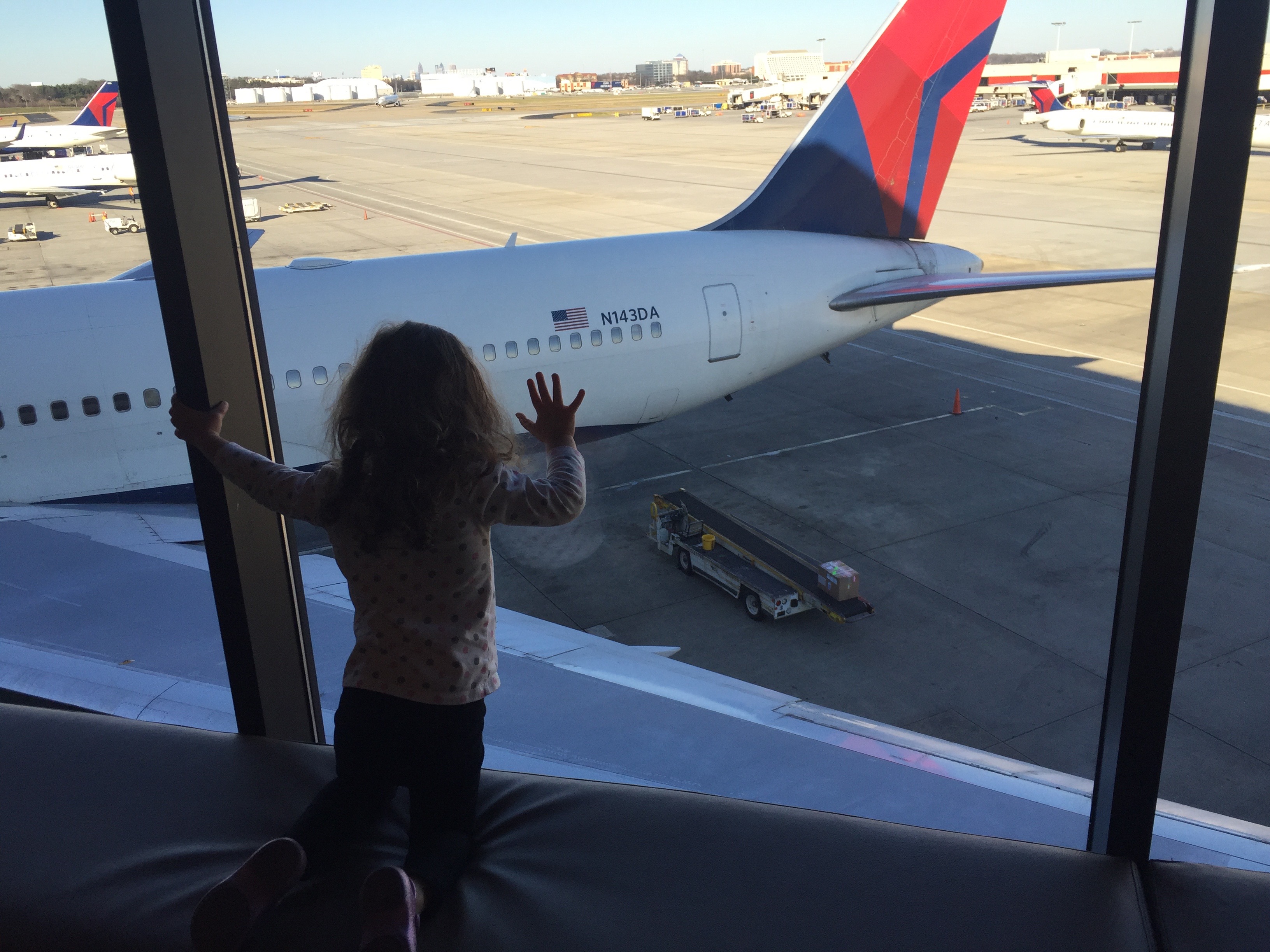
15. It’s Just One Flight Away

It depends on where you live of course, but there are non-stop flights to Managua from Dallas, Miami, Atlanta, Los Angeles, Ft Lauderdale and Houston. Even if you don’t live in one of these cities, connections are easy and travel time is relatively short, even with a three year old.


2016-04-30-1461986769-716821-16DeltaPlaneATL.jpg
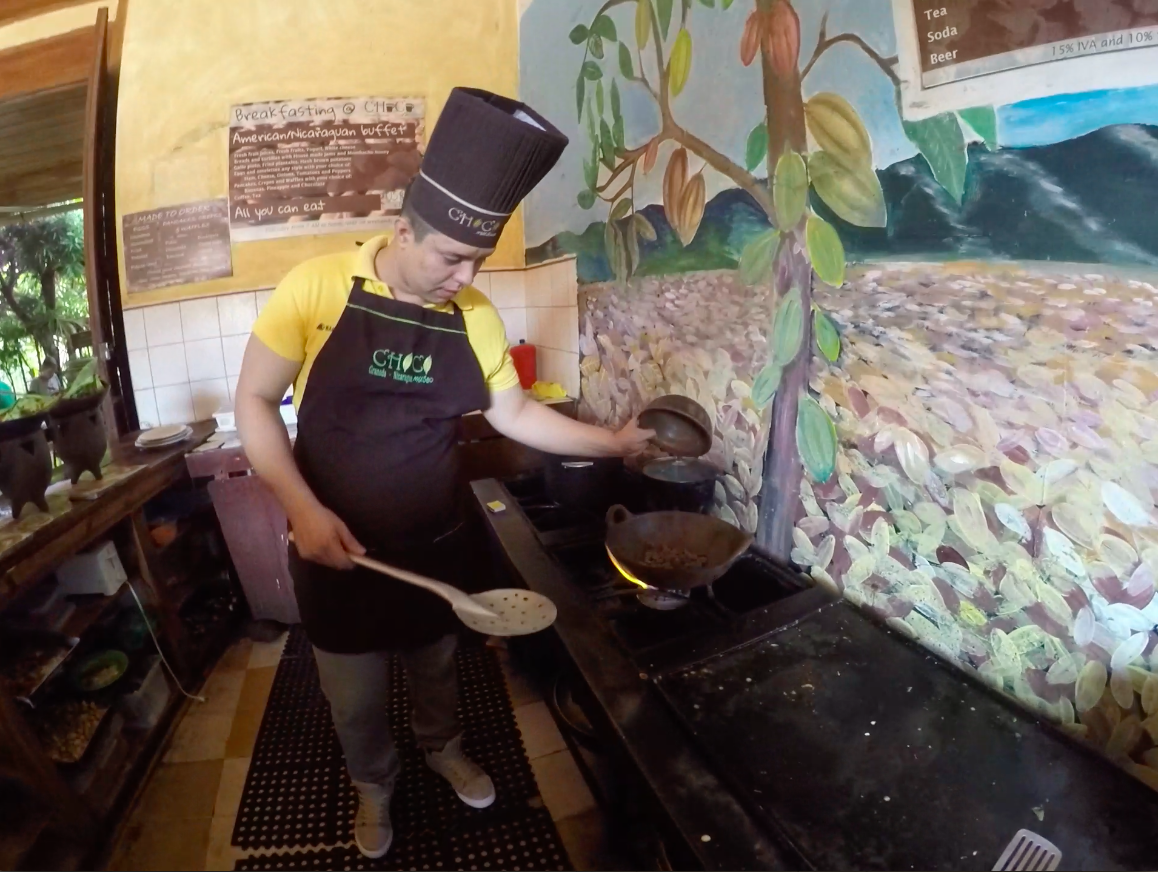
14. Chocolate Making Class
Granada’s Choco Museum offers child-friendly classes that teach you how to make delicious chocolate “from bean to bar”. Start with cocoa pods, roast and crush the seeds and add your own customized ingredients along the way. You’ll leave with a finished chocolate bar and a whole new appreciation for chocolate.

2016-04-30-1461986816-8259532-15KennyCookingCocoaBeansatChocolateClass.png
13. The Weather is Always Perfect
It’s hot in Nicaragua, especially in Granada where it’s in the 80s all the time with not much variation. It is hotter in March and cooler in July. Not what you’d expect.

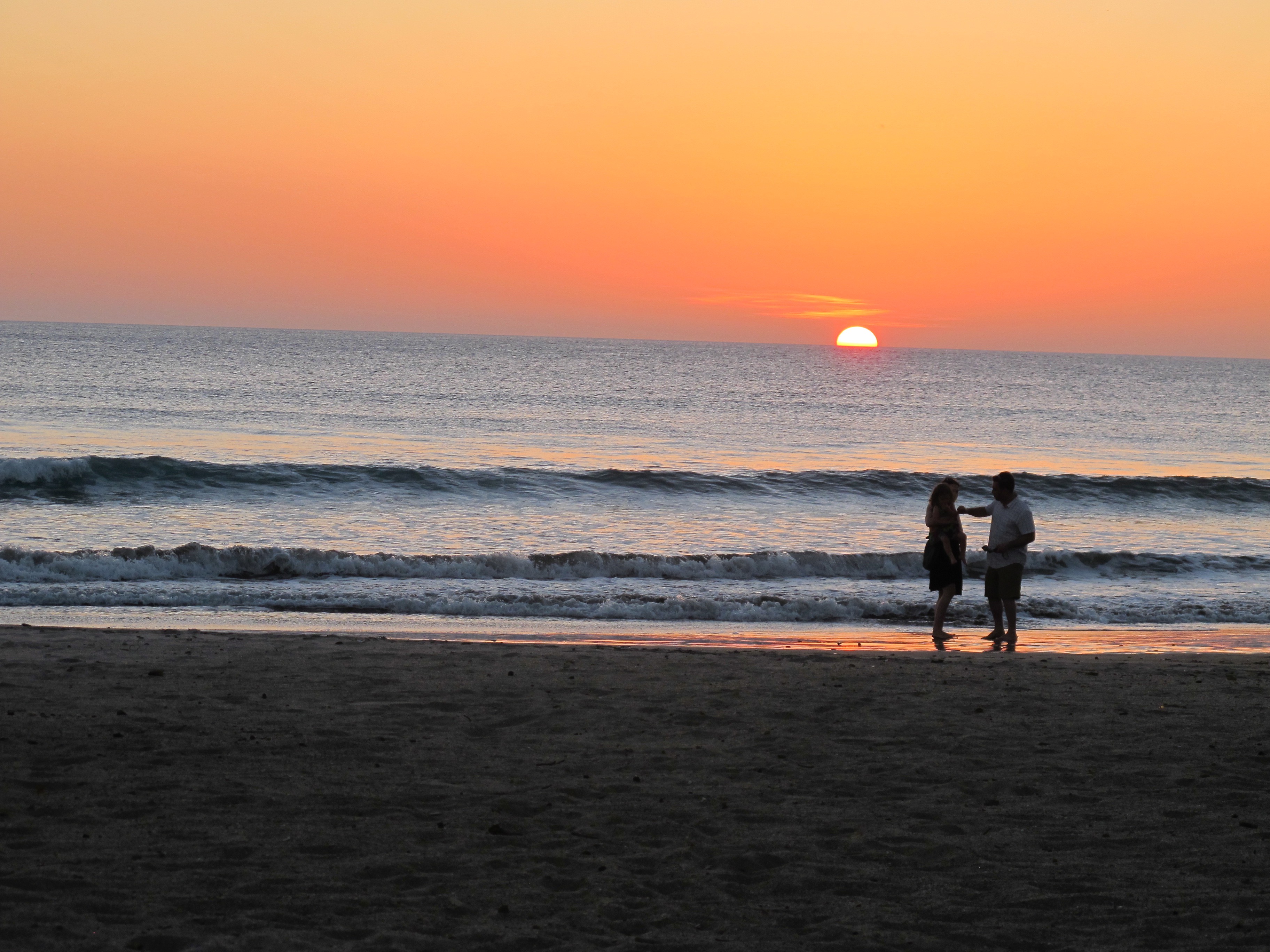
2016-04-30-1461987192-6984588-TopNicaraguanSunset.jpg
12. The Beaches of the Emerald Coast
The Emerald Coast is a pristine stretch of perfection running along the Pacific north of San Juan del Sur. This area is home to the best resorts in Nicaragua. The crown jewel of them all is Mukul Beach Golf & Spa resort in Guacalito de La Isla, roughly three hours by road from Managua airport. Not only is Mukul beautiful but their kids play area and programs make it the most family friendly resort in Central America.


11. No Time Change

Nicaragua is two hours behind US Eastern Standard Time and one hour ahead of Pacific Standard Time. No matter where in the US you’re coming from, the time change is manageable and won’t lead to sleepless nights and days of jet-lag for the kids.

2016-04-30-1461987001-6285210-12MombachoOrchid.jpg
10. Hiking the Mombacho Volcano
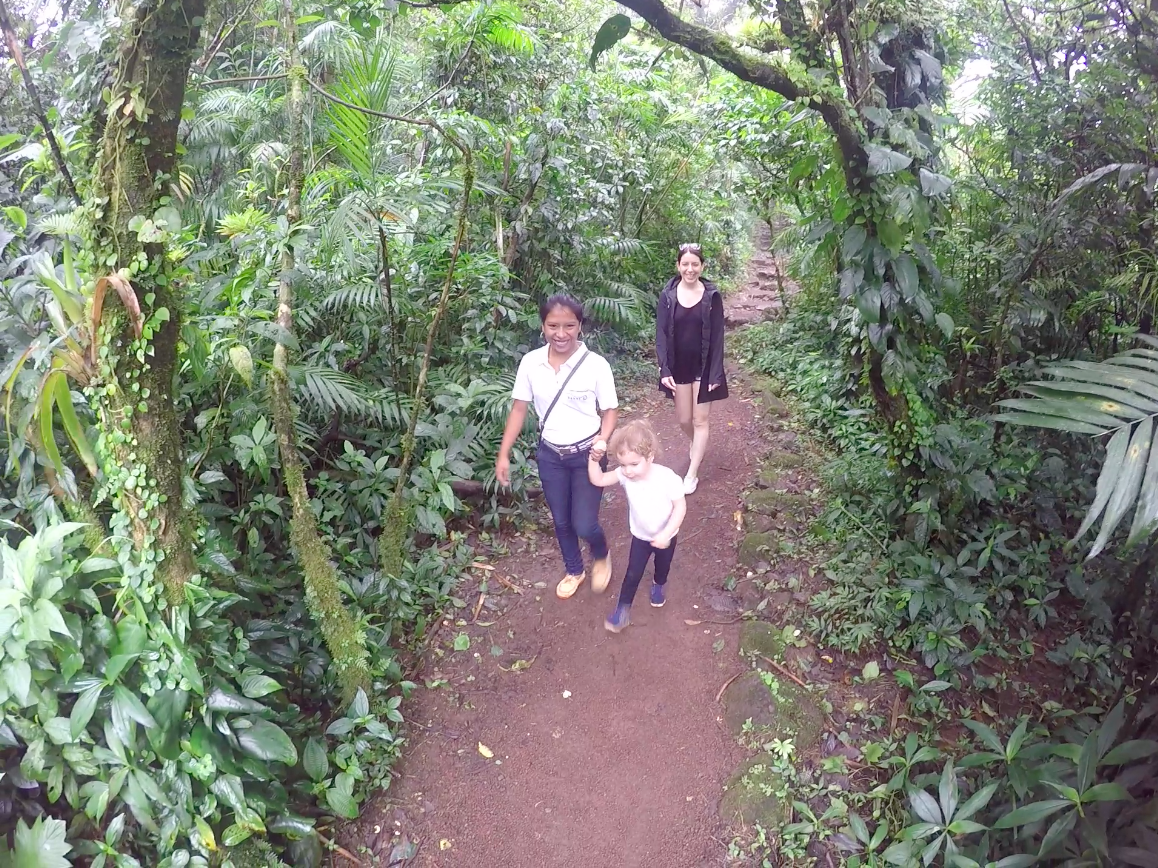
The Mombacho Volcano overlooks Granada and Lake Nicaragua and is accessible by just a short car ride to the top. Once at the summit, an easy two hour hike runs around the caldera of the volcano offering stunning views of the city and lake far below. The hike brings you through the Mombacho cloud forest and face to face with hundreds of endemic plant species including the stunning Mombacho orchid. Our three year old had no problem doing the walk entirely by herself and she loved the cool wet climate of the cloud forest.


9. Lake Nicaragua
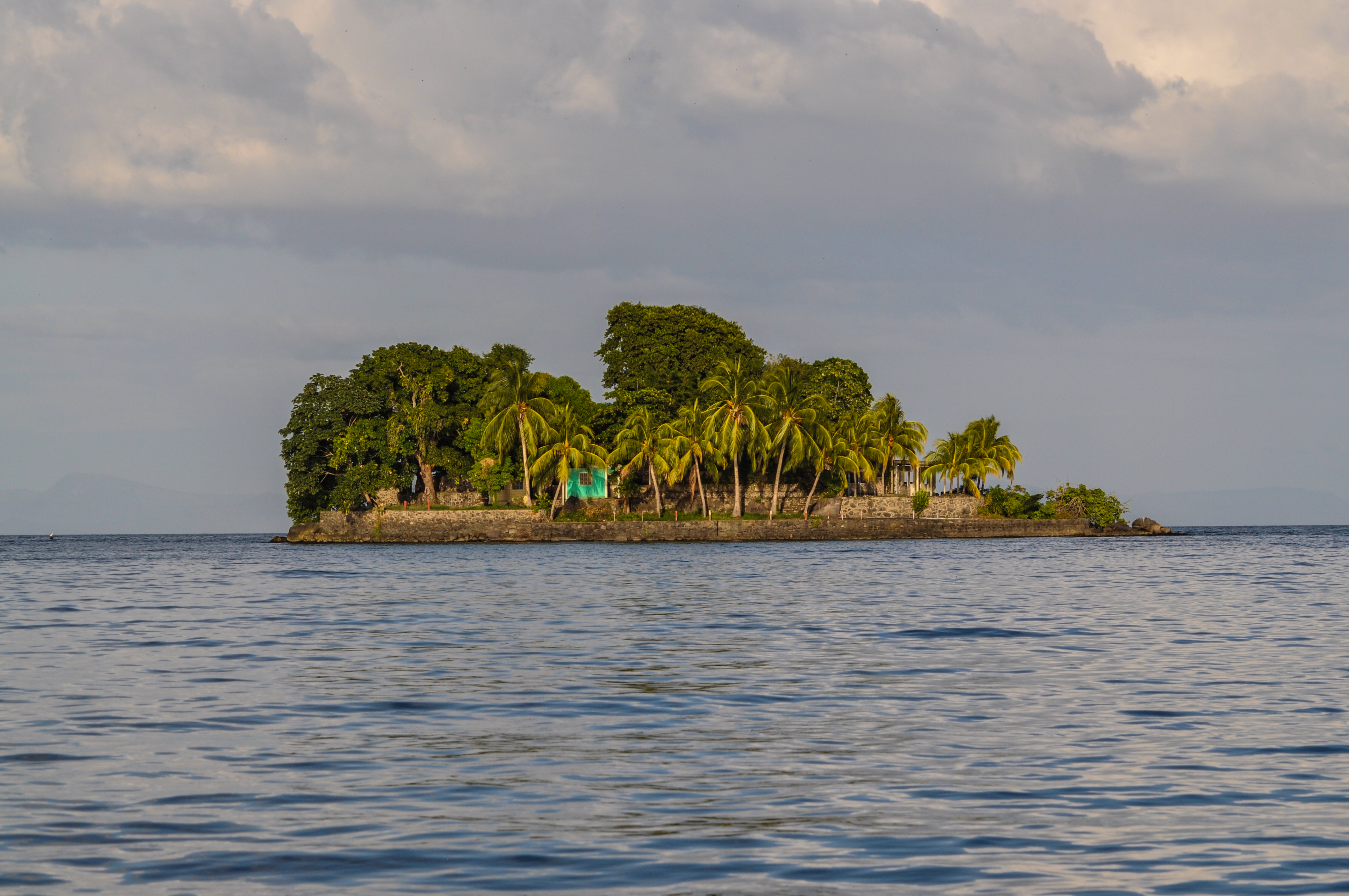
Lake Nicaragua is home to 365 islets, most of which are incredibly accessible from Granada. Hop on a lake tour and you’ll get to cruise between the islets, see monkeys and weaver birds up close and spend a fun hour out on the water enjoying nature. If you have more time and your kids are a bit older, hop a ferry to Ometepe Island and experience Nicaragua’s volcanic island.


8. Sloths!
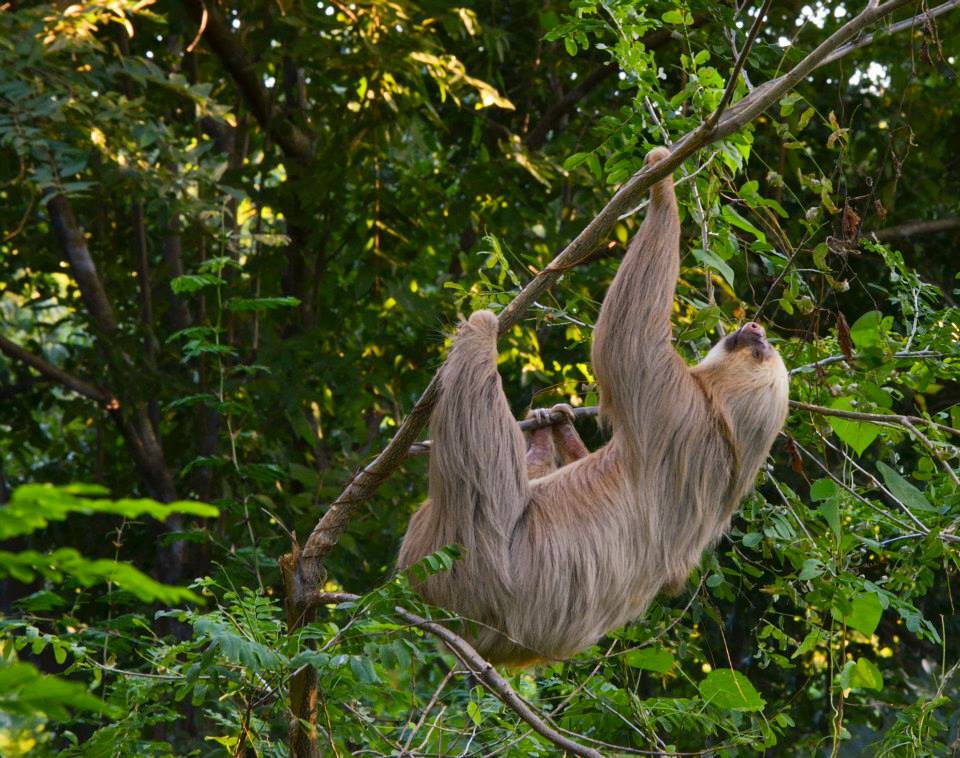
Even though sloths are slow, finding them in the wild can be a real challenge. On our hike on Mombacho volcano we searched and searched but they were nowhere to be seen. If you want to definitely see sloths, Berman Gomez is your man. Berman will pick you up in San Juan del Sur and take you to private land that wild sloths call home. Sloth sightings are nearly guaranteed. If you’re nice he may even take you to his mother’s house afterwards for freshly picked coconuts.


7. Exploring the Active Masaya Volcano
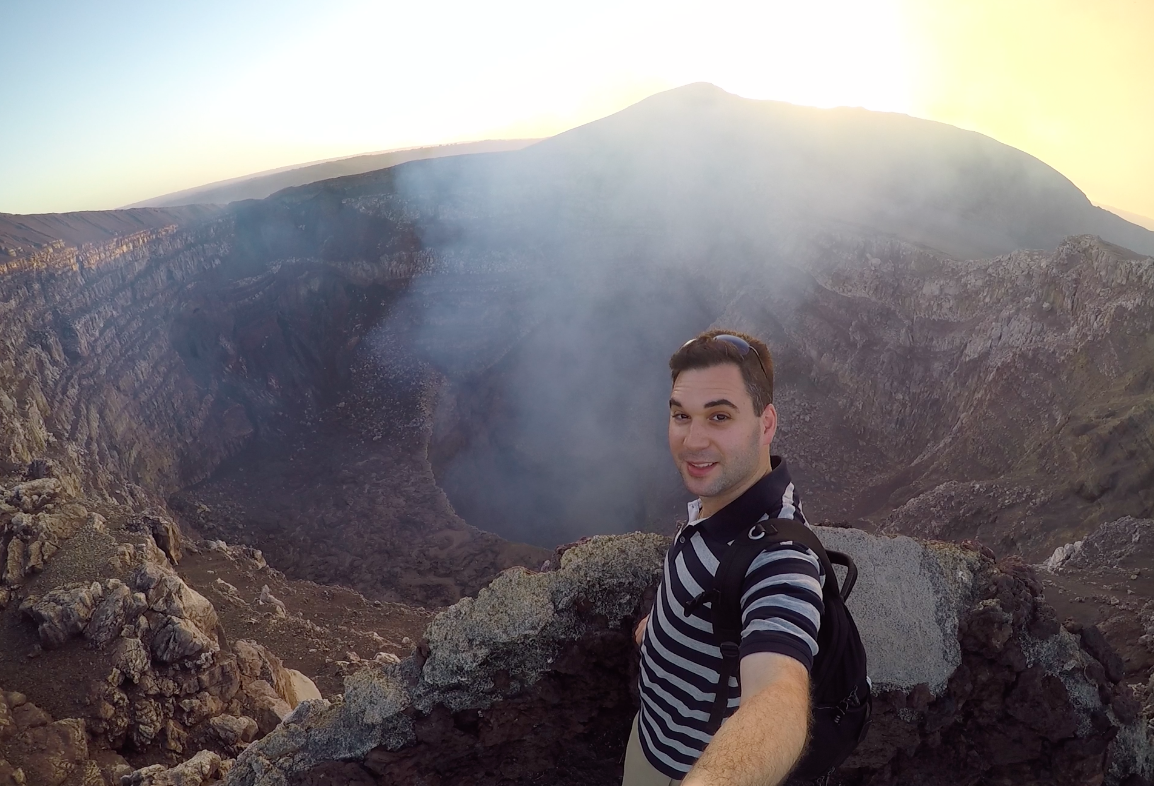
Masaya Volcano is located a half hour’s drive from Granada and unlike Mombacho, this volcano is very much active. It’s also unique in that it is the only volcano in the western hemisphere that allows you to drive right up to the rim of the caldera. This makes exploring the rim and the smoky caldera extremely accessible. There’s no need to hike for hours and if you come at night, you’ll see the red glow of liquid magma.


6. Getting Around by Horse & Carriage
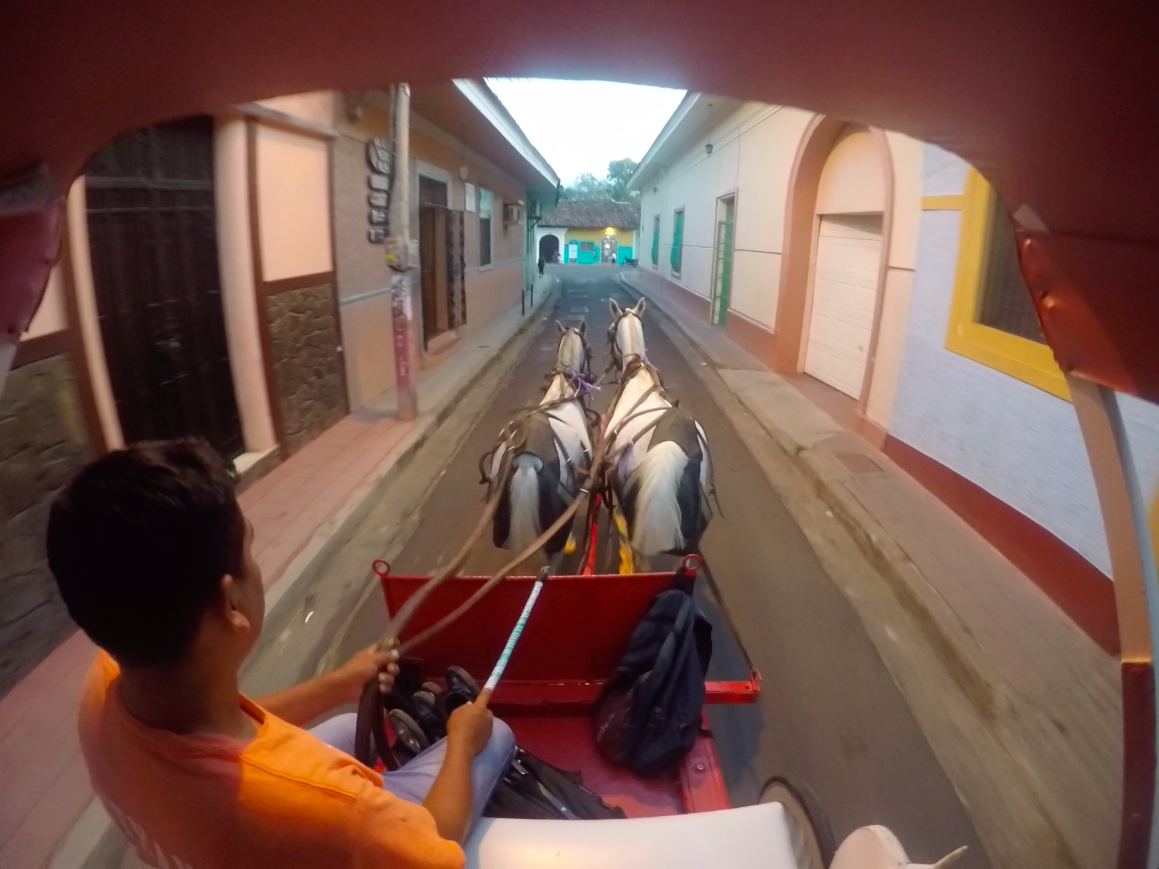
Granada was founded in 1542 and is considered one of the first European cities in mainland America. Appropriately, the town maintains some of its colonial feel and maintains a fleet of horse and carriages that are constantly roaming the city. You can negotiate a private tour with any of the carriages in Parque Central and our daughter loved getting to ride in the carriage and watch the clip-clop of the horses. Be sure to negotiate! We let our daughter walk down the line and pick the horse and driver she liked.


5. Safety
I can’t speak for the safety of all of Nicaragua as we spent most of our time in Granada, but we felt nothing but safe everywhere we went. Many times we found ourselves walking back-streets after dark but never did the city seem anything but hospitable and friendly. Whenever we needed help or directions, people were happy to accommodate.


4. Casual Drinking
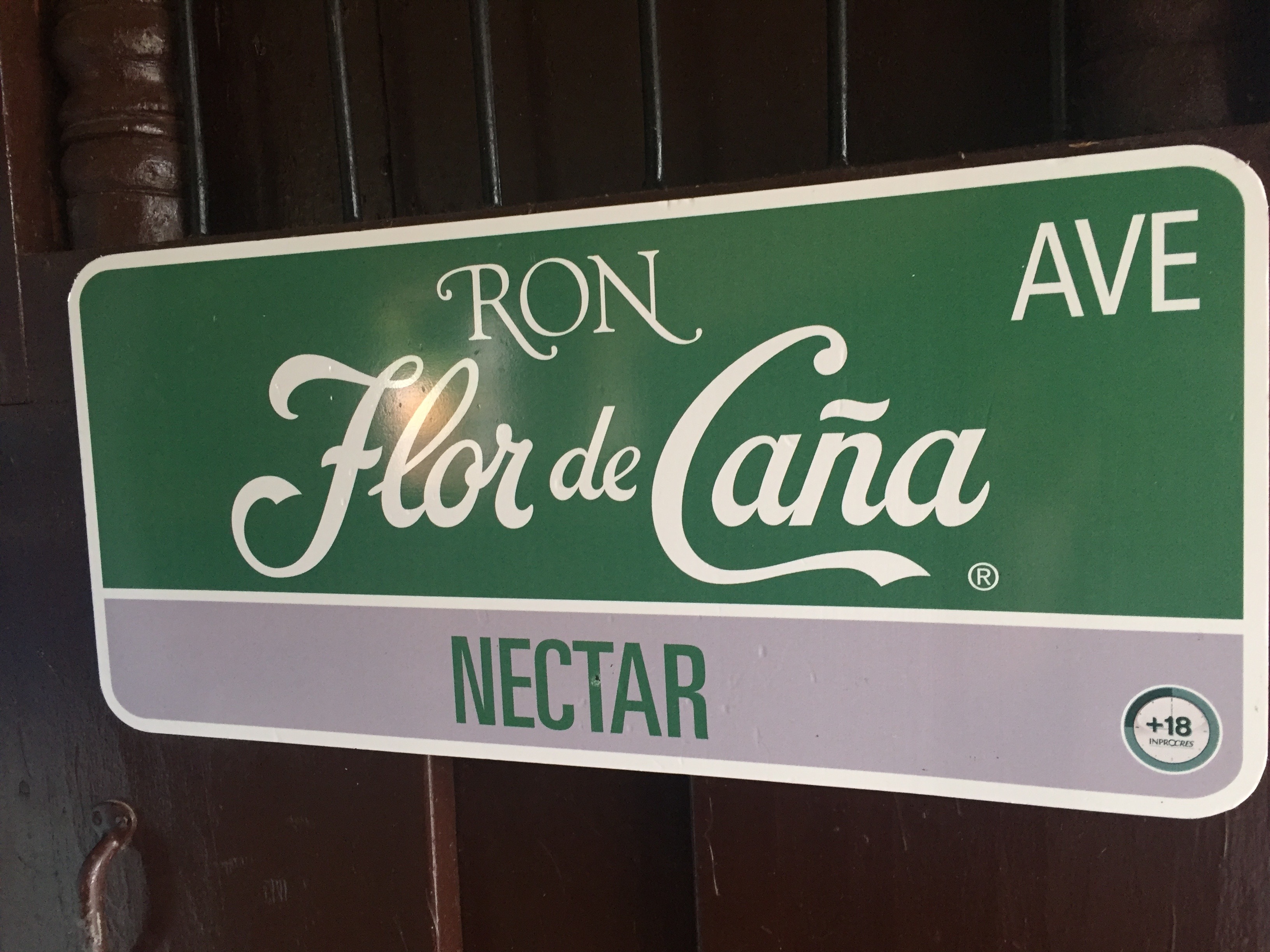
Like most of Latin America, alcohol is a part of life and in Nicaragua, that alcohol is Flor de Caña rum. This stuff flows like water in every restaurant, coffee shop and bar in town and even comes free in the rooms at Mukul. If you’re really into rum, you can tour the Flor de Caña distillery in Chichigalpa.


3. Food Everyone Likes

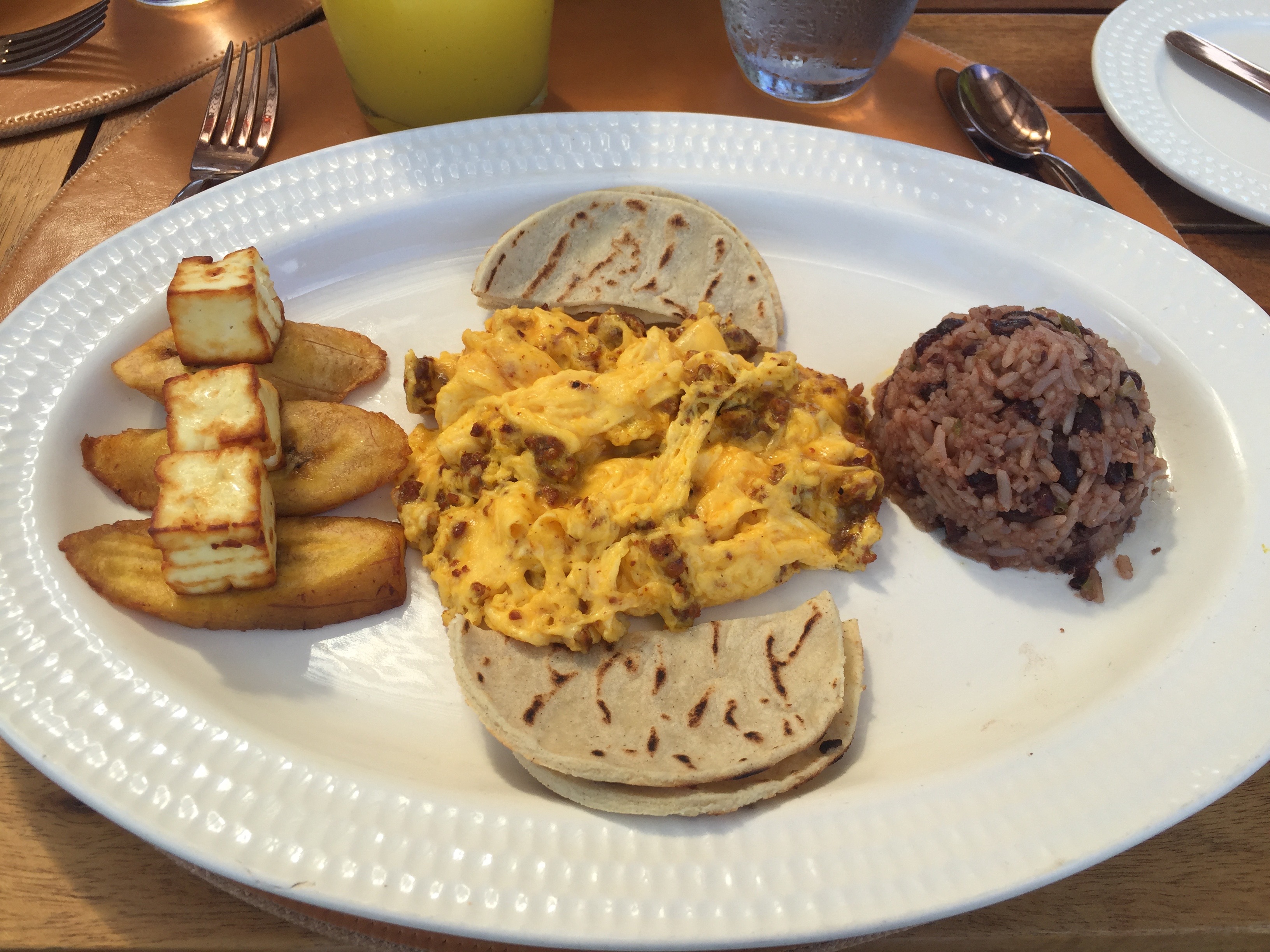
To go with all that rum, Nicaragua has some pretty great food. Nicaraguan food isn’t terribly complicated or unfamiliar but the ingredients are of high quality and the flavors delicious. No matter where we went, our daughter had no problem eating whatever we were eating. In Granada, we’d recommend Restaurante El Garaje, El Zaguan, Cafe de los Suenos, Nectar and Sr Tortuga’s Spanish Cafe. All these choices are extremely child friendly and absolutely delicious.


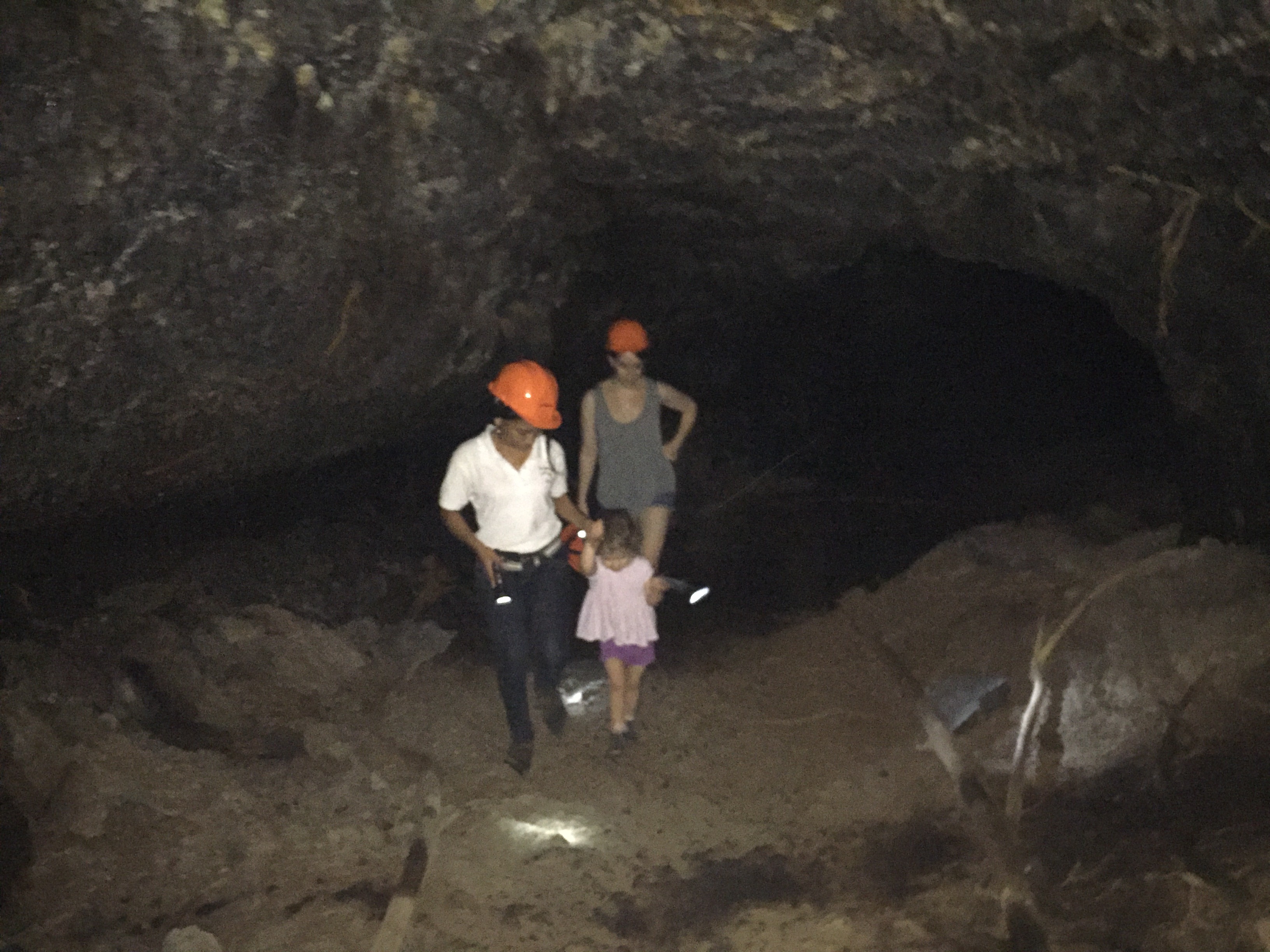
2. Visiting the Bat Cave
If you visit Masaya Volcano, you have to visit the nearby bat cave. We thought for sure this would terrify our daughter but she considers it one of the highlights of our trip. The bat cave is actually a lava tunnel leading away from the Masaya caldera. You enter the cave at night with a hard hat and flashlight and very soon bats are whizzing past your head on all sides. Don’t worry, they won’t hit you because they fly using sonar and not sight. While walking through the bat tunnel we encountered a giant tarantula on the wall. Our daughter promptly sang “Itsy Bitsy Spider” at the top of her lungs for all to enjoy. Talk about an ice-breaker.


1. Nicaragua (and Latin America in general) is Amazing for Kids

Living in New York City, we’re used to being inconvenienced because we have a child. At home, our additional needs are often seen as a nuisance and people are not so nice or accommodating. In Nicaragua (and in Latin America in general), the opposite is true. We have never traveled anywhere that is so overly accommodating to children. Restaurant bathrooms may not have changing tables, but people will go out of your way to help you into a taxi, let you cut the line or help you cross a street. The difference is remarkable!

http://www.huffingtonpost.com/david-digregorio/16-reasons-to-bring-your-_b_9812326.html

miércoles, 4 de mayo de 2016

10 BEST BEACHES FROM NICARAGUA

1-Corn Island:


Two Caribbean islands located in the Atlantic Ocean , famous for its beautiful pristine beaches, white sand and turquoise waters surrounded by lush tropical landscapes. Both islands , especially the smallest , have the charm of a rather rustic emerging tourist development , with appropriate small-scale services have not altered their original personality. They can make snorkeling in coral reefs, deep diving or just enjoy the sun on the sand .

2-San Juan del Sur:

One of the most famous beach destinations of Nicaragua. San juan del sur is a town full of life nestled in a bay on the Pacific coast, with 3 kilometers of beaches surrounded by mountains, with fine sand and a sea of ​​gentle waves , ideal for swimming or sports water.


3-Playa Maderas:


Playas de Nicaragua Playa Maderas

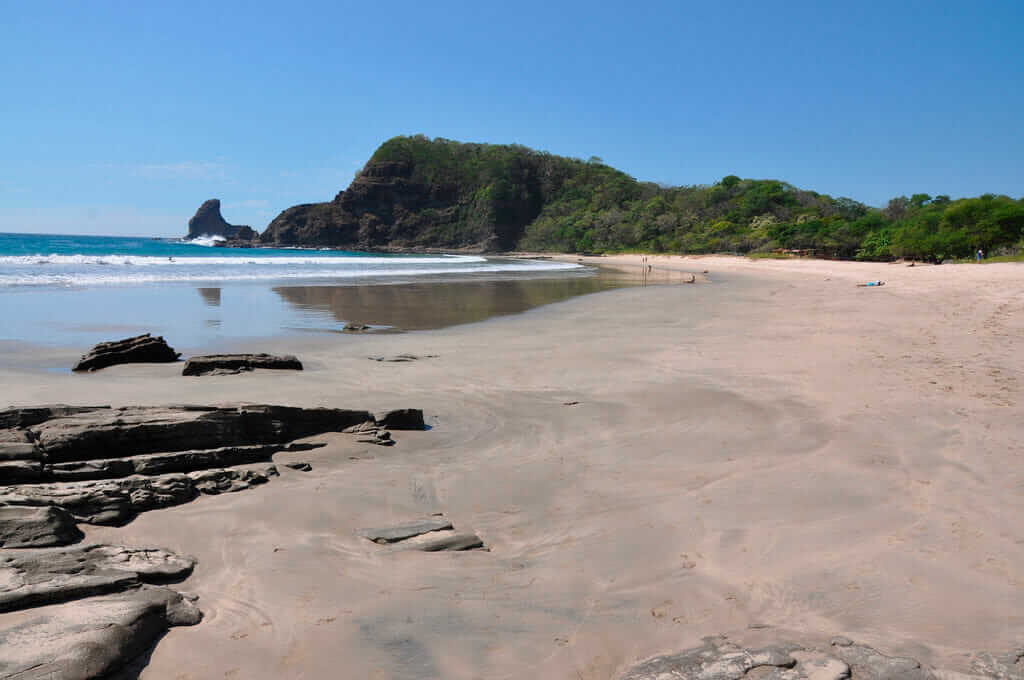
Like many of the best beaches in Nicaragua , this heavenly scenario is in the vicinity of San Juan del Sur on the Pacific coast , a beach with fine sand that stretch for one kilometer long, bordered by giant rocky headlands and lush tropical vegetation. In addition to the beauty of its landscape, this beach has the appeal of its ideal waves for surfing , constantly receiving foreign tourists coming to this sport.


4- Playa El Coco:


Playas de Nicaragua Playa El Coco
Playa El Coco. CC. En el Flickr de Blue Sonicboy.


Another jewel located in the vicinity of San Juan del Sur on the Pacific coast , a long beach of fine sand and calm waters bounded at its ends by large rock formations and lush tropical forest where live numerous species of birds, mammals and reptiles. Among its features, it is remarkable the existing tranquility, due to tourism not crowded , being only simple accommodations , but comfortable , administered by the Marine Park Resort Coco.
5- Playa Hermosa:


Playa Hermosa. CC. En el Flickr de Nate B.


Playa hermosa is located in environments San Juan del Sur, a long sandy beach and crystal clear waters, similar to the above , where lush forests extend and prominent rock formations rise landscape. Its good and constant waves , make it an ideal place for surfing , to be among the favorite sport lovers corners . In its surroundings a highly sustainable proposal that fails to alter the idyllic surrounding scenery it is emplaced only one option of accommodation


6- Playa Refugio de Vida Silvestre La Flor:

Playa La Flor. CC. En el Flickr de Chiara.


Nature sanctuary near San Juan del Sur, a captivating unspoiled beach of fine sand surrounded by forests, where every year ( between August and November ) it is possible to see the spectacle of the massive arrival of Olive Ridley turtles lay their eggs in the sand . Other wild animals are possible to appreciate in place, while beachfront makes a small island home to numerous bird colonies . It is noteworthy that in the sanctuary is not any kind of tourist infrastructure , being only possible to camp by the sea.


7- Playa Gigante:


Playa Amarillo. CC. En el Flickr de inga.


Small village of no more than 200 houses located around Tola on the Pacific coast , known for its idyllic beach of golden sand and calm waters , surrounded by towering rock walls and lush tropical vegetation. Along its coastline you can find a lively atmosphere , with elegant hotels, hostels and relaxed some restaurants to enjoy a meal or refreshing drink watching the sea. Nearby, many points are also ideal place for those seeking surf beaches , including Playa appearing Amarillo and Playa Colorado.


8- Playa Popoyo:

Playa Popoyo. CC. En el Flickr de lbgm2011.


Another beautiful beach hidden around Tola on the Pacific coast jewel, is a small paradise known as one of the best beaches in Nicaragua for surfing , with waves for different levels , wide white sand landscapes of cliffs and surprising tranquility to not be massively busy . A short distance from the beach you can find simple hotels especially oriented surf community while away a little more in Playa Santana , are similar landscapes beauty, luxury tourist services.


9- Playa Las Peñitas:


Playa Las Peñitas. CC. En el Flickr de Tobias Eder.


Located on the Pacific coast near Leon, a long beach of fine sand and strong waves , especially visited by the surfer community. Its surroundings are another attraction , a short distance emplacement , Natural Reserve Isla Juan Venado , a natural wonder , a place where hundreds of crocodiles and waterfowl. His small town also has its own charm , a site that mixes traditional spirit of artisanal fishing village with a lively atmosphere during the weekends , meeting in its many hotels, restaurants and bars.


10- Playa La Boquita:
Located near Diriamba , a beach surrounded by beautiful tropical forests, rocky areas between which natural pools and other areas of constant waves , ideal for surfing are formed . Ranchos sandpipers sandy walk to enjoy local food , horseback riding along the beach and the nearby picturesque villages of fisherfolk : Casares and Huehuete , eventually complement the attractions of the place .


Source:

http://enviajes.cl/nicaragua/playas-de-nicaragua/

martes, 3 de mayo de 2016

NICARAGUA, HIDDEN TREASURE FOR RETIREMENT!


For some citizens of the world the decision of where to spend your retirement days is kind of difficult. If you come from a place that has a cold weather, probably you must want to retire in some exotic island in the Caribbean.

But even if the Caribbean is a great choice, there is this country in Central America that has it all to become a strong competitor as a retirement paradise.

The country I am referring to is Nicaragua, the largest country in Central America, and to be honest the safest and cheaper place in our mini continent.


“The World’s Best Kept Retirement Secret” and the U.S. News and World Report deemed one of the top 10 retirement spots in the world.

Today, Nicaragua is a premier destination for Americans, Canadians, and Europeans thinking about retiring overseas. Driven by an abundance of great real estate investment opportunities, low property taxes, and a low cost of living with a high quality of life.


There are other factors that have also played a role in defining Nicaragua’s arrival as a premier retirement destination: its unbelievable physical beauty, comprehensive retiree benefit program, and the many desirable locations scattered throughout the country.
Add to that: Sunny skies, warm air, beautiful landscapes, welcoming people, generous laws, and it’s the safest place in Central America.

Here are some pictures of this lovely country!


So, you must consider Nicaragua as your next retirement destination.

Source:

http://internationalliving.com/countries/nicaragua/retire-in-nicaragua/

viernes, 6 de enero de 2012

RUBEN DARIO, POET FROM NICARAGUA.


Margarita esta linda la mar,

Y el viento,

Lleva esencia sutil de azahar,

yo siento,

en el alma una alondra cantar

tu acento

Margarita te voy a contar un cuento:


This lovely piece of a poem called: A Margarita Debayle; was written by one of the most important poets of Latin America, Ruben Dario.

My aunt used to tell this poem to my little cousin, is like a fairy tale that he narrates to a 9 years old girl named Margarita. Is one of his most known poems, but not the only one. Let me tell you a little more about this great men.

Félix Rubén García Sarmiento, (January 18, 1867, Metapa, Matagalpa, Nicaragua – February 6, 1916, León, Nicaragua), known as Rubén Darío, was a Nicaraguan poet who initiated the Spanish-American literary movement known as modernismo (modernism) that flourished at the end of the 19th century. Darío has had a great and lasting influence on 20th-century Spanish literature and journalism. He has been praised as the "Prince of Castilian Letters" and undisputed father of the modernismo literary movement.

At birth, he was named Felix Ruben Garcia Sarmiento and later took the old family name, Dario. His parents divorced and he was adopted and raised by his godfather Colonel Felix Ramirez. Dubbed El Nino Poeta (the poet child), Dario began reading at the age of 3 and at 12 he was already publishing poems. He called his first three poems "La Fe", "Una Lagrima" and "El Desengano". In 1882 in an attempt to secure a scholarship to study in Europe, Dario read his poem, "El Libro" to conservative Nicaraguan authorities including President Joaquin Zavala. He was denied the scholarship because his poems were considered too liberal and officials feared a European education would further encourage his anti-religious sentiments. Instead, Dario traveled to El Salvador where he met the well-respected poet, Francisco Gavidia. Gavidia introduced Dario to the rhythmic structure of French poetry, which later became the cornerstone of Dario's revolutionary verses.


At the age of 19, Dario moved to Chile and dabbled in journalism. That year he also wrote his first novel, Emelina, which was unsuccessful. Nevertheless, his poetry received praise in competitions. In Chile, Dario was confronted with prejudice and racism due to the dark complexion of his skin, compared to that of the European influenced Chileans. Despite his disillusionment and despondency, Dario continued to be prolific in his writing and published some of his more popular works such as Azul, "Otonales", and "Primeras Notas".


In 1890 at the age of 24, Dario married Rafaela Contreras and a year later while living in Costa Rica his son, Ruben Dario Contreras was born. After fleeing from a military coup, the couple moved to Guatemala where he was recruited in 1892 to represent Nicaragua in festivity celebrating the four-century discovery of the New World. 


In 1893, Dario was appointed consulate in Columbia by President Miguel Antonio Caro and traveled to Panama and Argentina. In 1896 Dario published "Los Raros" poems about other writers such as Poe, Lautreamont, and Ibse who he likened himself to and who he considered his "twin souls". Later that same year he published "Prosas Profanas", a book of poems, which documented his trademark rhythmic style and modernist approach. At 31, Dario worked for La Nacion, an Argentinean newspaper and reported his impression about the Spanish during its war with the United States. While still working as a poet and journalist, he was named Ambassador of Nicaragua in Paris in 1903. Dario wrote several poems that exalted his Latino origins and culture such as "Cantos de Vida y Esperanza" and "Viaje a Nicaragua e Intermezzo Tropical". He published his autobiography in 1912.
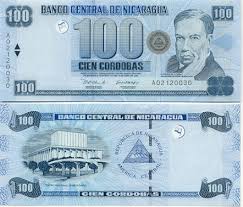


This is Dario´s face in one of the bills in Nicaraguan currency, a hundred cordobas,

the biggest amount printed by the way!

Major Works


As a poet, journalist, and novelist, Dario remained a prolific writer through his life. He published his works between the years of 1879 and 1914. Dario gained recognition throughout Latin American and Spain with the 1905 publication of Azul, a full-length collection of his work. Azul introduced Dario as the spokesman of a new Latin American modernism. The collection incited a literary revolution because Dario replaced the complex Spanish verse with a simple, direct structure ("Ruben Dario 1867-1916"). His most celebrated book, "Cantos de Vida y Esperanza" was published in Spain in 1905. Although the book touches upon modern themes such as exoticism, it focuses primarily on Dario himself and his search for higher conscienceness. It serves as a retrospective account of the author and his Hispanic roots ("Ruben Dario"). Dario is also well recognized for his collection of poems, "Prosas Profanas", which cemented his talent as an engineer of words and language. Dario's work had a varied in inspiration and form. However, he always linked his work to a deep seeded pride in his Hispanic origins. In addition, Dario often wrote about his various travels and experiences.

Now, the important, i would like to share two of his poems,

FATALITY

The tree is happy because it is scarcely sentient;
the hard rock is happier still, it feels nothing:
there is no pain as great as being alive,
no burden heavier than that of conscious life.

To be, and to know nothing, and to lack a way,
and the dread of having been, and future terrors...
And the sure terror of being dead tomorrow,
and to suffer all through life and through the darkness,

and through what we do not know and hardly suspect...
And the flesh that temps us with bunches of cool grapes,
and the tomb that awaits us with its funeral sprays,
and not to know where we go,
nor whence we came!...

This one is very famous, and one of my favorites.

The next one is To Margarita Debayle, is the same as the little piece at the beginning of the post:
To Margarita Debayle
Margarita, how beautiful the sea is:
still and blue.
The orange blossom in the breezes
drifting through.
The skylark in its glory
has your accent too:
Here, Margarita, is a story
made for you.
A king there was and far away,
with a palace of diamonds
and a shopfront made of day.
He had a herd of elephants,

A kiosk, more, of malachite,
and a robe of rarest hue
also a princess who was light
of thought and beautiful as you.

But one afternoon the princess
saw high in the heavens appear
a star, and being mischievous,
resolved at once to bring it near.

It would form the centrepiece
of a brooch hung with verse, pearl,
feathers, flowers: a caprice
of course of a little girl.

But also, because a princess,
exquisite, delicate like you,
the others then cut irises
roses, asters: as girls do.

But, alas, our little one went far
across the sea, beneath the sky,
and all to cut the one white star
that saw her wondering and sigh.


She went beyond where the heavens are
and to the moon said, au revoir.
How naughty to have flown so far
without the permission of Papa.

She returned at last, and though gone
from the high heavens of accord,
still there hung about and shone
the soft brilliance of our Lord.

Which the king noted, said: you,
child, drive me past despair,
but what is that strange, shining dew
on your hands, your face, your hair?

She spoke the truth; her words shine
with the clear lightness of the air:
I went to seek what should be mine
in that blue immensity up there.

Are then the heavens for our display,
with things that you must touch?
You can be altogether too outré,
child, for God to like you much.

To hear that I am sorry, truly,
for I had no plans as such. But,
once across the windy sky and sea
I had so much that flower to cut.

Whereupon, in punishment,
the king said, I'd be much beholden
if you'd go this moment and consent
to return what you have stolen.

So sad was then our little princess
looking at her sweet flower of light,
until and smiling at her distress
there stood the Lord Jesus Christ.

Those fields are as I willed them,
and your rose but signatory
to the flowers up there that children
have in dreaming formed of me.

Again the king is laughing, brilliant
in his robes's rich royalty,
he troops the herd of elephant,
in their four hundred, by the sea.

Adored and delicate, the princess
is once more a little girl
who keeps for brooch the star and, yes,
the flowers, and the feathers, the pearl.

Beautiful, Margarita, the sea is,
still and blue:
with your sweet breath have all the breezes
blossomed too.

Now soon from me and far you'll be,
but, little one, stay true
to a gentle thought made a story
once for you.

Hope you like his poetry. He is one of the greatest men in Latin American Literature, and as you can see, he was from Central America.

Thanks for reading!

Sources:

http://en.wikipedia.org/wiki/Rub%C3%A9n_Dar%C3%ADo

http://english.emory.edu/Bahri/Dario.html

http://allpoetry.com/poem/8541699-A_Margarita_Debayle__To_Margarita_Debayle_-by-Ruben_Dario

http://www.dariana.com/R_Dario_poems.html

martes, 13 de diciembre de 2011

CARLOS MEJIA GODOY BIOGRAPHY

Carlos Mejia Godoy: When i was a child my family used to listen different kinds of music, various artist, but mainly, revolutionary music, my aunts and uncles believed in some of the socialist ideas, and in those years the movements in the region were important and exciting.

I remember my mom and uncle listening to this particular artist, he is from Nicaragua, and his name is of course Carlos Mejia Godoy. He is a great performer and his music is still very popular, not only in his natal Nicaragua, but also in all central america and other countries. Here is a little about his life:


Carlos Mejía Godoy (born June 27, 1943) is a Nicaraguan musician, composer and singer. He was born in Somoto, Madriz. Son of Carlos Mejía Fajardo and María Elsa Godoy, his brother Luis Enrique Mejía Godoy, three years younger than he is, is also an acclaimed and much-loved musician. Carlos and Luis Enrique were pivotal in the New Song Movement in Central America beginning in the 1970s. They were both recently honored with Nicaragua's highest cultural distinction, the Order of Rubén Darío.

Carlos started his career as 'Corporito' on the radio station 'Radio Corporacion', where he would daily compose songs that would rain ridicule and scorn on all politicians and political parties. He would do it with that biting sense of humor that so few artists are able to master.

Many of his songs, performed with his band los de Palacagüina, became associated with the Sandinista movement as songs of the workers and revolutionaries. He even composed a Mass for the working class, the Misa Campesina Nicaragüense. Many of his songs during the late 1970s gave instructions on how to use, assemble, and disassemble the rifles people were capturing from dictator Somoza's National Guard during street battles.


Some of his albums include: El Son Nuestro De Cada Día, La Nueva Milpa, Grandes Éxitos, and A Dos Puyas, No Hay Toro Valiente. His music has also been featured on several compilations of songs of Nicaragua and the Nicaraguan revolution: Songs of the Nicaraguan Revolution, Vol.1-2, and Nicaraguita: Music from Nicaragua.

They were very famous in the 70´s and one of his songs, Quincho Barrilete won the OTI festival. I am very fond of this artists and all of his family are very talented, his brother Luis Enrique is also a composer and singer and he is the uncle of the famous Luis Enrique, the salsa singer whose latest hit was " Yo no se mañana"

I think more than words, a few song will do the honor to this great artist from our Nicaragua. I went to see them perform live in their own house, is called " La casa del los Mejia Godoy". This is located in Managua and if you are travelling in this city, is really worth the while!!
Now, some of his great songs!!
This is called Son tus perfumenes mujer, is a sweet and almost funny song.

Nicaragua, Nicaraguita

This one is Quincho Barrilete, the winner song of OTI Festival in 1977.

El Cristo de Palacaguina

Palomita Guasiruca ( don't know the meaning of this word, but is a nice song)